

CASHEW NUTS
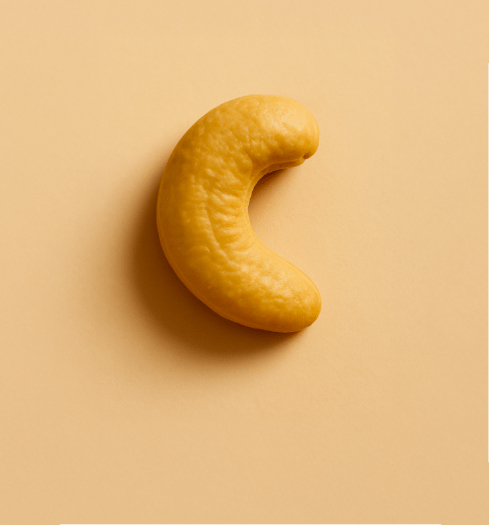
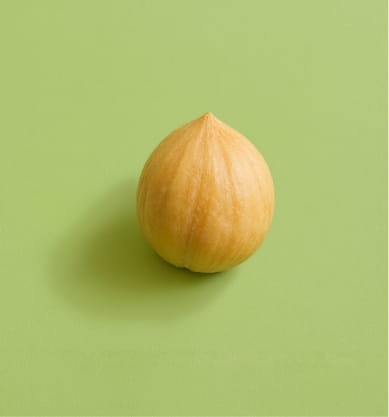
The cashew nut is a tree nut with multiple benefits: a source of unsaturated fatty acids, vitamin B1, magnesium which contributes to the functioning of the immune system, phosphorus and iron. Cashews contain potassium and plant-based proteins.
- Vietnam
PRODUCERS
We have a strategy for securing raw materials considered to be at risk, such as cashew nuts.
Indeed, extracting the cashew nut from its shell is a risky process, which is why we are currently setting up a collaboration with a producer who ensures good working conditions for its employees, particularly during this task.
Flowering/harvest
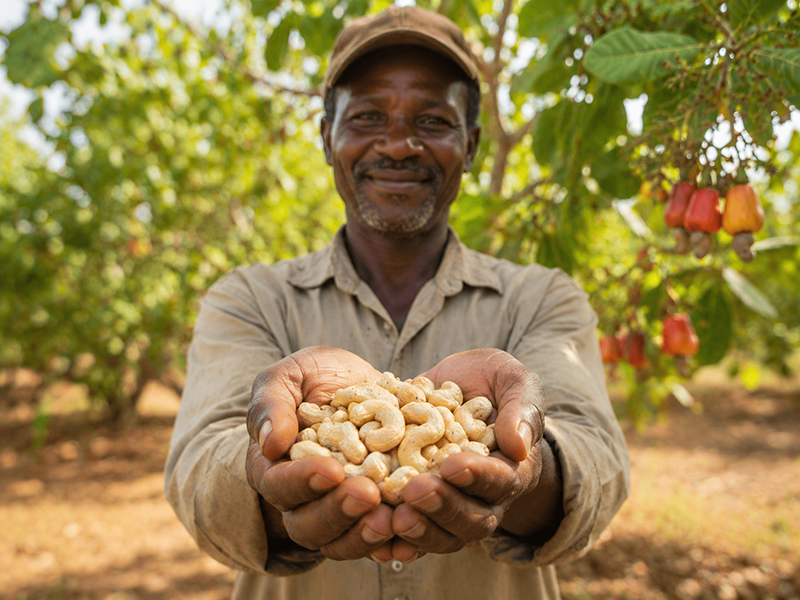
The cashew nut grows on a tree called the cashew tree. It can reach up to 10 meters in height.
In spring, small white flowers appear on the cashew trees, and will produce fruit: cashew apples, which resemble a bell pepper.
At the end of the fruit is a shell containing the cashew nut.
Harvesting takes place from February to June; when the cashew apple reaches maturity, it falls to the ground. The nuts can then be collected and sorted by hand.
Manufacturing
The cashew nut transformation process takes place in several stages:
- Harvesting and separation of the seeds
- Steam treatment (steam flash) to remove the acid
- Cracking of the shells and extraction of the cashew nut
- Heat treatment to then remove the skin from the kernel
- Drying and grinding on a stone mill.
Steam treatment, shell cracking, and heat treatment are carried out mechanically to prevent injuries.
Regular analyses are performed by our suppliers and checked by our quality department, to guarantee you a healthy cashew nut.
The origin of conventional raw materials
ORGANIC France - Non-conventional United States, Australia, Portugal or Spain.
Turkey, Azerbaijan, Georgia, France, Italy.
Vietnam, Togo, Nigeria, Ivory Coast, Benin, USA, Mexico, Ghana.
USA, Mexico.
United States or Iran.
China, Russia.
Orange River of South Africa, Turkey.
France.